Comforters are essential bedding layers designed to provide warmth, insulation, and a smooth surface for sleep. In this category, the emphasis is on materials, fill power, and construction that influence comfort, breathability, and durability. Understanding how fabric weight, loft, and stitching affect thermal performance helps caregivers and sleepers select options suitable for varied climates and bedding setups. Keywords: bedding, comforters, wool comforters.
Cashmere and wool blends offer natural temperature regulation and moisture management, making them popular for year-round use. This category highlights how fiber type—such as cashmere, merino, and wool blends—impacts softness, heat retention, and breathability. Functional benefits include consistent warmth without overheating, and improved allergy-friendly properties for sensitive sleepers.
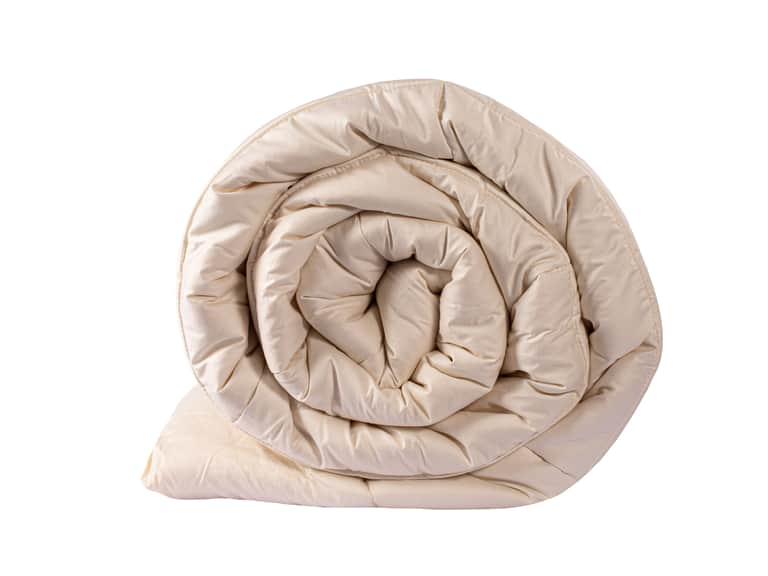
Product features to note include fill material, shell fabric, and pillow-friendly loft. The Sleep and Beyond, myMerino Wool Comforter, and Light variants illustrate a range of weights and compressibility suitable for layered bedding systems. Proper design reduces cold spots, enhances insulation, and supports long-term loft retention with regular care.
Care considerations are integral to maintaining comforter performance. Pay attention to fill power, clustering, and stitching patterns that influence warmth distribution and durability. This educational overview emphasizes care instructions, safe washing guidelines, and how to preserve loft to sustain comfort, softness, and overall fabric integrity over time.
Common uses for comforters include use in bedrooms, nurseries, and guest rooms, where temperature control and tactile comfort matter. By examining fiber content, fill weight, and construction, sleepers can identify options that align with sleeping preferences, climate, and safety considerations while integrating seamlessly with existing bedding, pillows, and sleep environments.
 Bedding