Bedding · Fit, proportion & fiber
How to Size a Wool Layer for a King Bed
A beautifully dressed king bed is as much a study in proportion as it is a lesson in comfort. The right wool layer should cover the mattress generously, fall to the length you prefer, and sit naturally with the bedding beneath it. Begin with the bed’s actual dimensions—not the name on a size label—then consider mattress depth, drape, weave, and the way you layer.
Published November 13, 2026
Why the label is only a starting point
“King” sounds definitive, but blanket sizing is not a universal standard. A king-size wool blanket from one maker may be several inches wider or longer than another, and those differences become especially noticeable on a large bed. A layer that is too narrow can leave the mattress exposed at the sides; one that is exceptionally generous may pool on the floor or gather awkwardly around the footboard.
The most reliable approach is simple: measure the mattress, decide how far you want the layer to fall, and compare that finished measurement with the blanket’s stated dimensions. The process matters whether you are choosing a wool blanket, a cashmere blanket for a king bed, or another natural-fiber top layer. Fiber tells you something about warmth and hand; it does not tell you whether the piece will fit.
Think of the blanket as a line that frames the bed. A close, tailored drop can feel crisp and architectural. A longer fall reads softer and more relaxed. Neither is inherently better. The ideal king bed blanket size is the one that suits the room, the mattress, and the way you use the bed.
Start with accurate mattress measurements
Measure the mattress itself, not the bed frame or the dimensions printed on an old bedding package. A standard U.S. king mattress is commonly about 76 inches wide by 80 inches long. A California king is typically about 72 inches wide by 84 inches long. Those are useful reference points, not a substitute for checking your own mattress: dimensions can vary, and a mattress topper or unusually deep profile changes the total height that a blanket must cover.
Use a flexible tape measure and record three figures: width, length, and depth. Measure from edge to edge across the top for width and from the head to the foot for length. For depth, measure vertically from the mattress’s upper surface to its lower edge. Include a topper if it will remain in place beneath the blanket. If you use a thick duvet or comforter, note its loft as well; the finished bed may be considerably fuller than the mattress alone.
Measure the bed as it is actually dressed. A layer intended to sit above a lofty comforter needs more room than one placed directly over a fitted sheet. The distinction is easy to overlook when shopping, yet it can determine whether the blanket lies smoothly or seems to shrink once it is arranged.
- Mattress width: Measure across the broadest part of the top.
- Mattress length: Measure from the head end to the foot end.
- Mattress depth: Measure from the top surface to the bottom edge.
- Added loft: Account for a topper, duvet, or other substantial layer beneath the blanket.
Choose the drop you want
The drop is the distance the blanket extends beyond the mattress edge. For a balanced look, decide how much coverage you want on each side and at the foot of the bed. The desired drop may differ from side to side: a bed pushed against a wall, for example, might need little or no drape on one side, while a freestanding bed can benefit from an even fall around the edges.
To estimate the blanket’s width, add the mattress width to twice the preferred side drop. For a 76-inch-wide king mattress, a 12-inch drop on each side calls for a finished blanket width of approximately 100 inches. A 15-inch drop calls for about 106 inches. These are planning calculations, not prescribed dimensions; mattress depth, bedding bulk, and the blanket’s actual drape all affect the final appearance.
Use a similar calculation for length. Add the mattress length to the amount you want to fall at the foot, and include any coverage you want at the head. On many beds, the top edge is folded back or tucked beneath pillows, so the foot drop receives more attention. If you want the layer to cover the full bed without being tucked, plan for additional length beyond the mattress measurement.
For an easy visual check, lay a tape measure or a strip of fabric across the bed and let it hang over an edge by the intended amount. Step back and assess the scale. A modest drop can look polished on a bed with a low frame; a deeper fall may suit a taller mattress or a more relaxed, enveloping arrangement. The surrounding room matters, too: a blanket that nearly reaches the floor can obscure a beautiful bed frame or collect dust in a compact space.
The king bed blanket size calculation
A useful starting formula is:
Blanket width = mattress width + side drop on the left + side drop on the right.
For a symmetrical layout, that becomes mattress width plus twice the desired side drop. For length, add the head and foot allowances you want. A quick example for a standard king mattress might look like this: 76 inches of mattress width, plus 12 inches on either side, gives a target width of about 100 inches. If the mattress is 80 inches long and you want a 12-inch fall at the foot with no extra at the head, the simple target length is about 92 inches. A pillow fold or tuck at the head would require more length.
These calculations describe the fabric’s flat finished dimensions. They do not guarantee an identical drop once the blanket is on the bed. A thick wool weave may sit higher at the edge, while a lighter, more fluid textile can settle closer to the mattress. A blanket placed over a puffy duvet may also fall differently from one laid over a thin coverlet. Use the figures to narrow your choices, then let the material and intended styling refine the decision.
When a maker lists a blanket as “king,” look for the exact width and length rather than assuming the label corresponds to a particular drop. The same principle applies when comparing a king-size cashmere blanket with a wool layer: size labels are convenient shorthand, but the measurements are the useful information.
Standard king and California king are not interchangeable
A standard king mattress is wider and shorter than a California king. That difference may seem minor on paper, but it changes where a blanket’s fabric is most needed. A blanket chosen for the width of a standard king may not provide the same side coverage on a California king, while a shorter layer may leave less material to fold or drape at the foot of the longer mattress.
Check the mattress model and dimensions before ordering. If the bed has a split king setup, measure the assembled surface and consider how the two mattresses move independently. A single broad blanket can unify the look, but individual movement, adjustable bases, or separate sleeping preferences may affect how smoothly it stays in place. In some rooms, two coordinated layers offer a more practical arrangement than one oversized piece.
Also take the bed frame into account. A mattress set inside a deep frame may look lower than one resting on a platform, even when their dimensions are identical. If the blanket is intended to cover the sides of the frame as well as the mattress, measure from the upper surface down to the point where you want the edge to end. The target is the visible finished bed, not an abstract size category.
How wool weave and weight affect the fit
Wool is prized for warmth and its ability to create a comfortable layer without relying on heavy synthetic fill, but “wool blanket” describes a wide range of constructions. Fiber content is only one part of the story. Yarn thickness, weave density, finishing, and overall weight influence how a blanket hangs, folds, and settles across a bed.
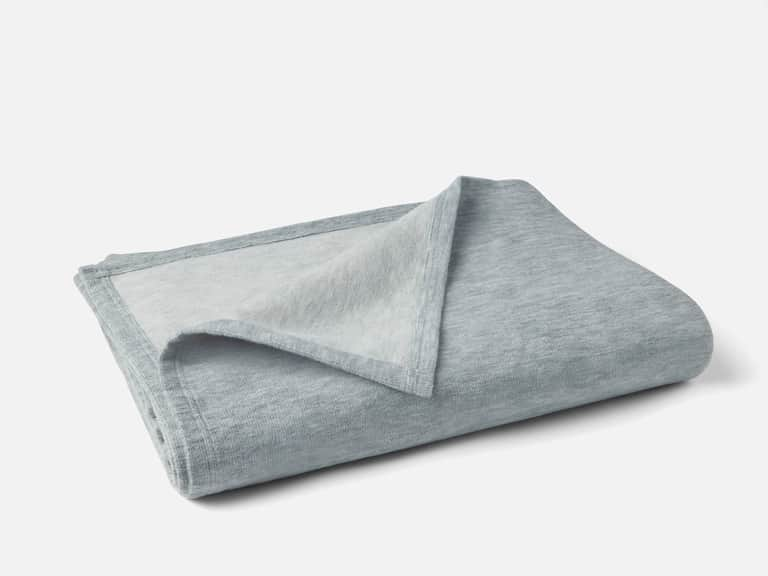
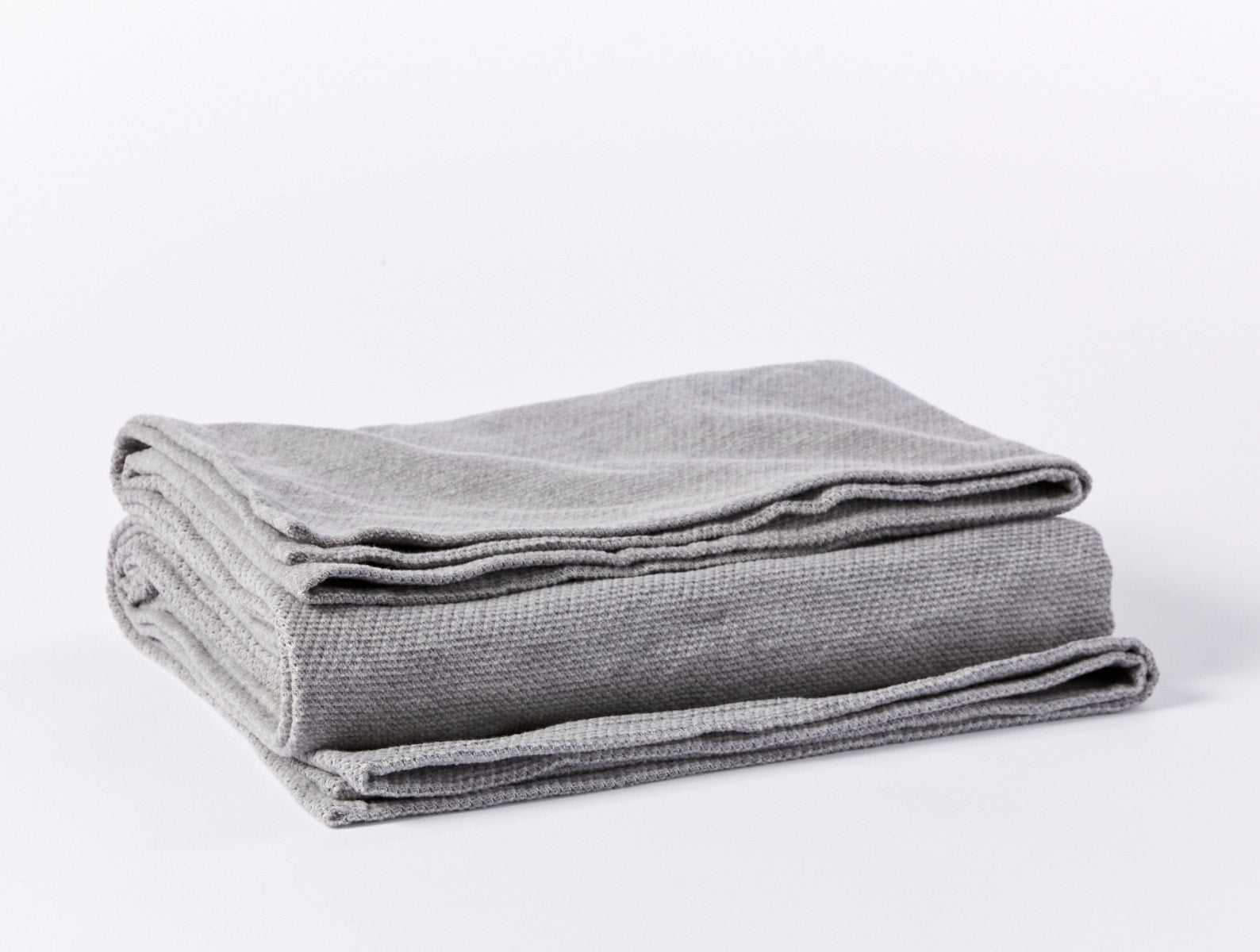
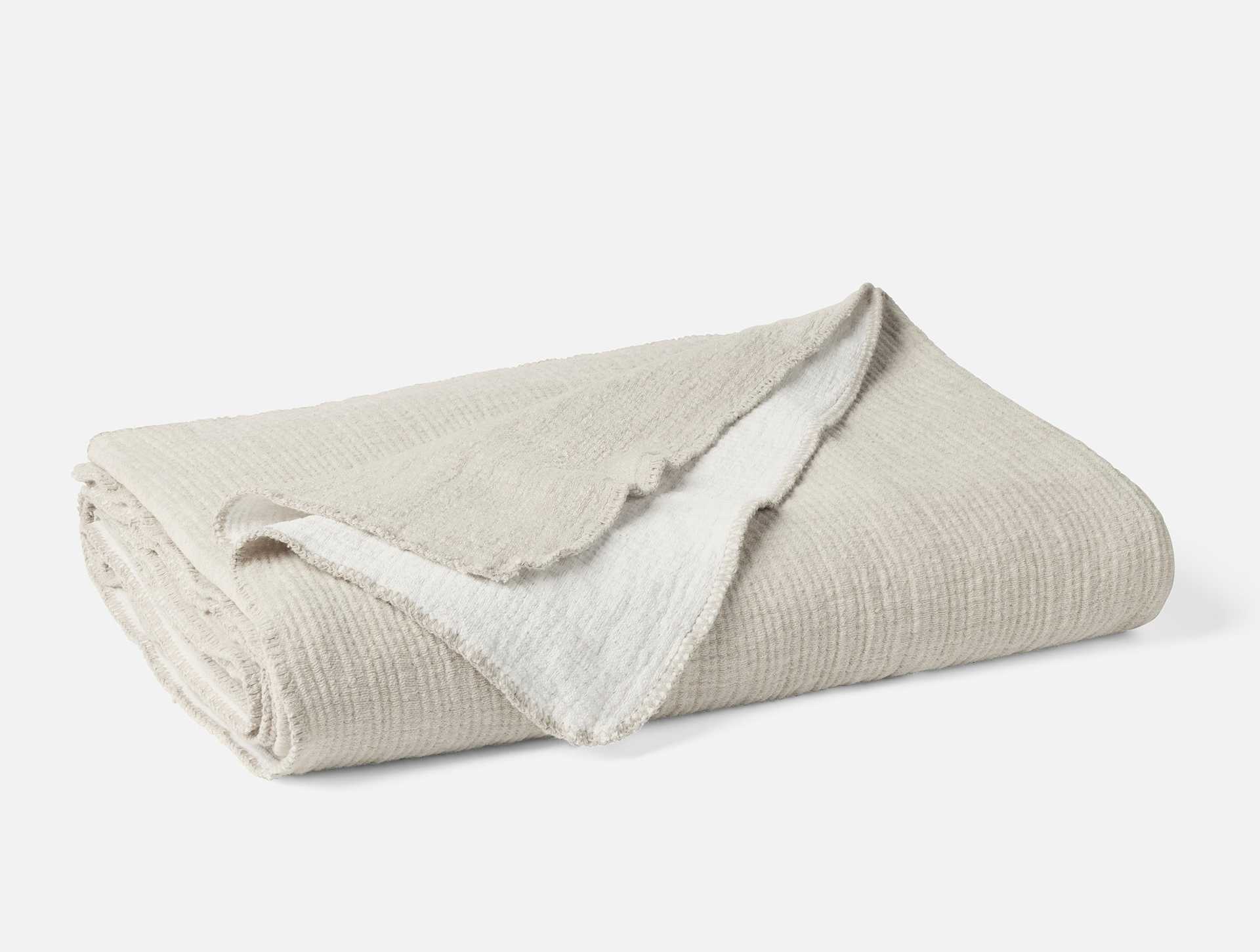
A lighter, more open textile may fall fluidly over the edge and make a neat, soft line. A denser or heavier woven blanket can feel substantial and structured, with a more pronounced edge. Neither behavior is a defect; they simply create different silhouettes. If you prefer a sharply made bed, a layer with a little structure may hold its line. If you favor a relaxed, casually folded finish, a more supple weave may be appealing.
Weight also affects practical use. A heavier blanket may shift less once arranged, but it can be harder to fold neatly or move during daily bed-making. A lighter layer is easier to toss over the foot of the bed and may work well as a finishing piece above other bedding. Consider whether the wool layer is meant to provide nightly warmth, act as a decorative top layer, or serve both purposes.
Ask whether listed dimensions are measured before or after finishing, if that information is available. Wool textiles can respond to moisture, agitation, and heat, so the care method matters to long-term size retention. Follow the maker’s instructions rather than assuming every wool blanket should be washed in the same way. Some are suitable for careful home care; others require professional cleaning.
Plan how the layer will sit with existing bedding
A blanket rarely works alone on a dressed bed. It may sit over a duvet, replace a heavy comforter in mild weather, or be folded at the foot as an extra layer. Each arrangement changes the amount of visible drape and the way the wool rests across the surface.
For a streamlined finish, place the wool layer over a flatter coverlet or sheet and allow the edges to fall evenly. To create a more layered look, let a duvet remain visible beneath the blanket, or fold the wool into a long band across the lower third of the bed. A folded layer needs less width to look intentional than one spread fully across the mattress, so decide on the styling before judging the size.
Think about the top edge, too. If you like to fold the blanket back over pillows, the extra length should support that turn without pulling the foot edge too high. If you tuck the blanket beneath the mattress, allow enough fabric to reach the sides and stay secure. A loose, untucked style, by contrast, depends on an even drop and may look better with the blanket’s sides left free.
Color and texture help clarify the composition. A quiet neutral wool layer can bring depth to crisp cotton bedding; a distinct weave can add visual interest without a busy pattern. The most successful arrangement does not need many elements. It needs enough contrast and texture to make each layer legible, with enough space around the bed for the room to breathe.
A practical checklist before you buy
Before settling on a king-size blanket, compare the product specifications with your measurements and your preferred styling. These questions can make a product page far more useful than its size label:
- Are the stated dimensions exact, and are they given in inches or centimeters?
- Is the bed a standard king or California king?
- How deep is the mattress once its topper is in place?
- Will the blanket sit directly on the mattress, or over a duvet or comforter?
- How many inches of side and foot drop do you want?
- Will you fold, tuck, or leave the blanket loose?
- Is the wool layer intended for everyday warmth, decorative layering, or both?
- What care instructions should be followed to help preserve its dimensions and finish?
If a product’s measurements are not listed, contact the maker or retailer for the finished dimensions before ordering. A small difference in width can be meaningful across a king bed. It is also worth checking the return policy, particularly when the intended look depends on a precise drop or a specific relationship to a duvet.
Common sizing mistakes to avoid
The first is buying by the word “king” alone. As bedding sizes vary, the label cannot tell you exactly how far a blanket will hang. The second is measuring only the mattress’s top surface and forgetting its depth. That oversight commonly leaves the sides short, especially when the bed includes a thick topper.
Another frequent misstep is choosing extra length without considering the frame. A generous blanket can be beautiful, but if it trails on the floor, it may be difficult to keep clean and can hide the bed’s design. At the opposite extreme, a close fit may look too skimpy when placed over a lofty comforter. The goal is not maximum size; it is intentional proportion.
Finally, avoid assuming that wool’s natural resilience means dimensions do not matter. Fiber and construction influence how a blanket behaves, but they cannot make a short layer cover a deep mattress. Good sizing begins with arithmetic, then considers the qualities that make the textile distinctive.
Care, storage, and keeping its shape
A well-fitted wool layer deserves care that respects its construction. Read the care label before cleaning, and do not substitute a familiar washing routine from another textile. Heat, vigorous agitation, or an unsuitable detergent can affect wool’s hand and dimensions. If professional care is specified, follow that guidance; if home care is permitted, use the recommended water temperature and cycle.
Between cleanings, air the blanket when appropriate and store it clean and completely dry. For longer storage, choose a dry, protected space and use a breathable storage option unless the maker advises otherwise. Avoid compressing a delicate textile under heavy items for extended periods. When bringing it back into use, allow the fabric to relax and arrange it on the bed without pulling the corners into shape.
Careful handling supports the appearance of the blanket over time, but it also reinforces the importance of checking measurements before purchase. A thoughtfully sized layer should fit the bed in its intended, properly cared-for state—not depend on stretching, forcing, or repeated adjustment to look right.
A polished fit is a personal calculation
There is no single correct blanket dimension for every king bed. The standard mattress size offers a starting point, while mattress depth, bed frame, existing bedding, and personal preference shape the final choice. A tailored fall can make the bed feel composed; a deeper drape can soften its outline. The right result is the one that looks considered and functions comfortably in your room.
Measure first, calculate the drop you want, and verify the maker’s finished dimensions. Then weigh those numbers against the character of the wool: a light, fluid layer will behave differently from a dense, substantial weave. Once those details are in balance, the blanket can do what a top layer does best—bring warmth, texture, and a quiet sense of finish to the bed.
Frequently asked questions
What size blanket works on a king bed?
It depends on the mattress dimensions and the drop you want. Measure the mattress, add the desired allowance on each side, and check the blanket’s exact finished width and length. Do not rely on the “king” label alone.
How much should a blanket hang over the sides?
There is no fixed rule. A modest drop gives a tailored appearance, while a deeper drop creates a more relaxed silhouette. Account for mattress depth and any duvet beneath the blanket, then decide how much coverage suits the frame and room.
Is a king blanket suitable for a California king bed?
Not automatically. A standard king mattress is generally wider and shorter than a California king. Compare the actual mattress and blanket dimensions to ensure the layer provides the coverage you want at the sides and foot.
Does a wool blanket need to be larger than a cotton blanket?
Fiber alone does not determine the required size. Weave, weight, mattress depth, and styling matter more. A wool textile’s drape may differ from cotton, so consider its construction alongside the finished measurements and care instructions.